Art as Self-Care: Exploring How Creativity Can Aid Personal Well-Being
Art has long been recognized as a powerful form of expression. However, its role in personal well-being is often overlooked. Engaging in creative activities can significantly reduce feelings of anxiety and depression. Recent studies show that individuals who regularly participate in artistic endeavors report improved mental health and emotional resilience. In this article, we will explore how art can serve as a vital component of self-care. It enhances personal well-being and promotes mental health.
The Therapeutic Benefits of Art
Art therapy techniques help mitigate feelings of anxiety, depression, and stress. According to Husson University, incorporating art into daily routines fosters emotional expression. It provides relief from overwhelming feelings. Engaging in creative activities allows individuals to focus on the present moment. This promotes mindfulness and reduces negative thought patterns.
Research published by the National Institutes of Health highlights that art therapy enables individuals to express themselves freely. It also improves interpersonal relationships. This self-expression is critical for mental health promotion. It allows individuals to process their feelings more effectively (NIH). Additionally, studies show that art can lead to a reduction in stress levels and an increase in overall life satisfaction (Mental Health Foundation).
Forms of Art for Self-Care
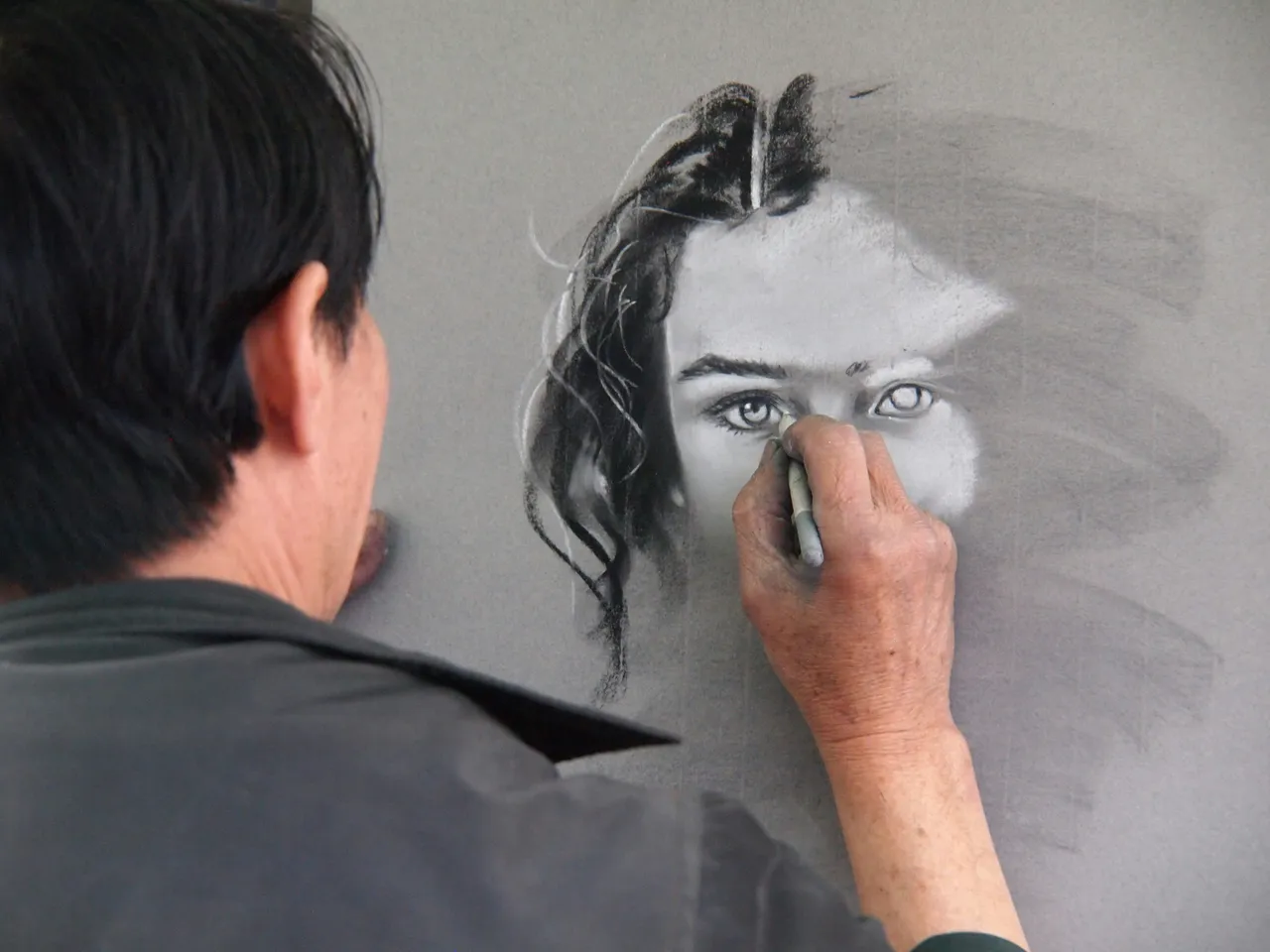
There are countless forms of artistic expression that can benefit self-care. Each form offers unique advantages. For instance, painting can be cathartic. It allows individuals to express emotions visually. The Mayo Clinic emphasizes that creative arts therapy can improve focus. It also assists in processing emotions, making it an effective tool for those facing mental health challenges (Mayo Clinic).
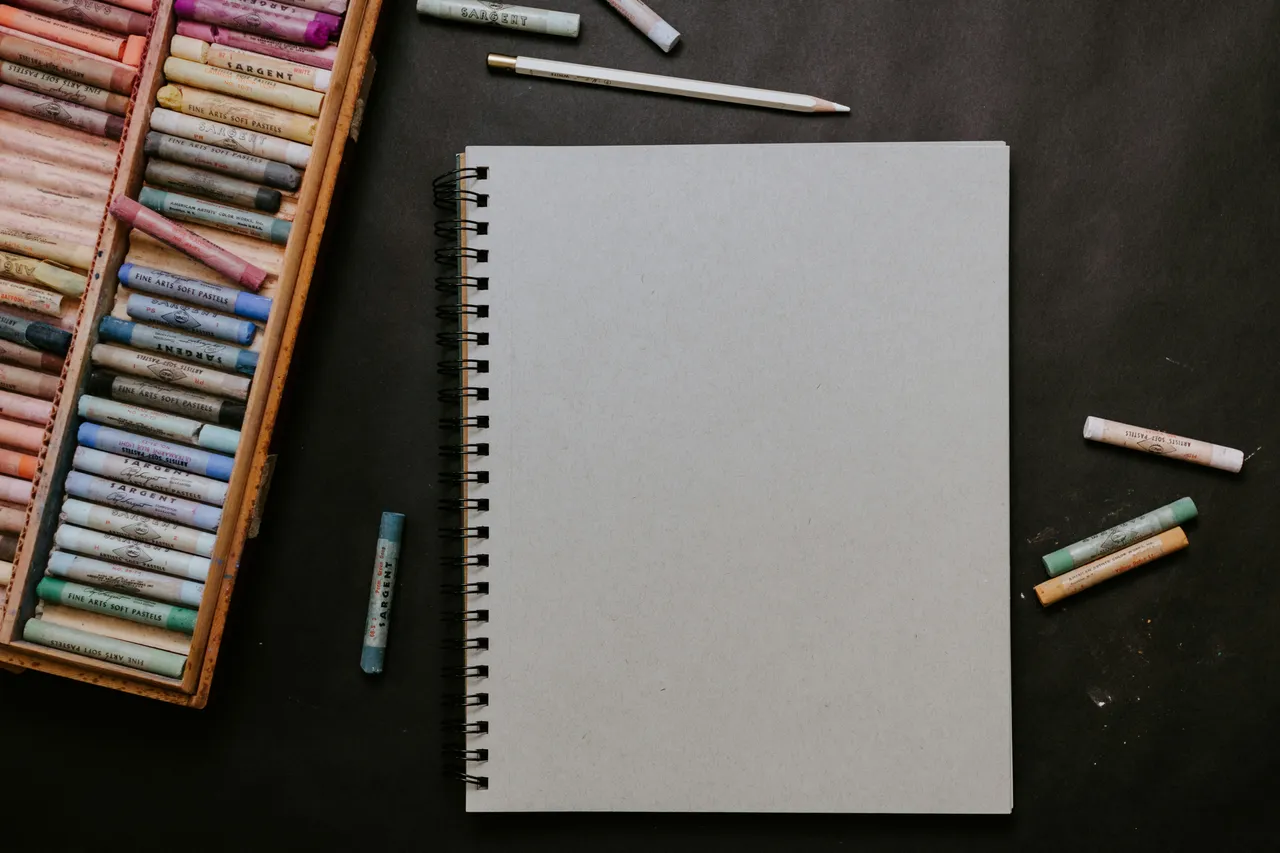
Beginners can start with simple materials like colored pencils or watercolors. This makes the process less intimidating. The key is to find a form of art that resonates personally. This allows for genuine self-expression.
Incorporating Art into Daily Life
Incorporating art into daily life can be simple and rewarding. Setting aside dedicated time for creative activities can serve as a personal retreat from daily stressors. Instead of fixating on the final product, enjoy the act of creating. Allow yourself to experiment and explore without judgment.
Engaging in low-pressure activities, such as doodling, painting, or journaling, can provide a means to express yourself. For example, creating a mandala or a simple landscape can be both relaxing and fulfilling. These activities can be done anywhere and require minimal supplies. By prioritizing creativity, individuals can cultivate a sense of flow and mindfulness. This enhances their overall mental well-being.
Recommended Resources
To further enhance your artistic journey, consider exploring local workshops or online classes. Websites like CreativeLive and Udemy offer a variety of art courses for all skill levels. Additionally, local art supply stores often host classes that can help you connect with other creatives in your community. You might also find resources at ArtStation for inspiration and tutorials.
Conclusion
Art is more than just a hobby. It is a powerful tool for self-care and personal growth. By engaging in creative activities, individuals can experience significant improvements in their mental health, emotional expression, and overall well-being. Consider picking up a brush, a pencil, or a journal today. Explore local workshops or online classes to deepen your artistic journey. Embrace your creativity and discover the transformative power of art in your life.
This article was developed using available sources and analyses through an automated process. We strive to provide accurate information, but it might contain mistakes. If you have any feedback, we'll gladly take it into account! Learn more